Elegant Decorative Mothers Day DXF 2
A Designer’s First Look: Grace, Not Gimmick
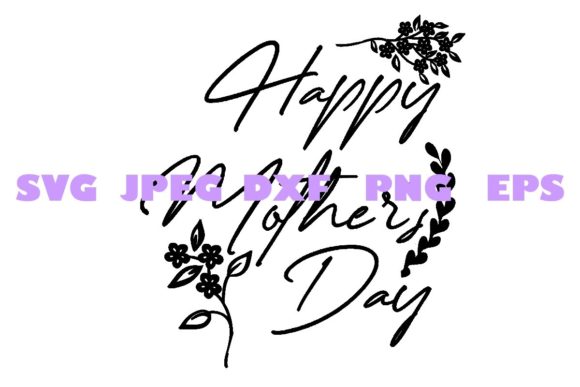
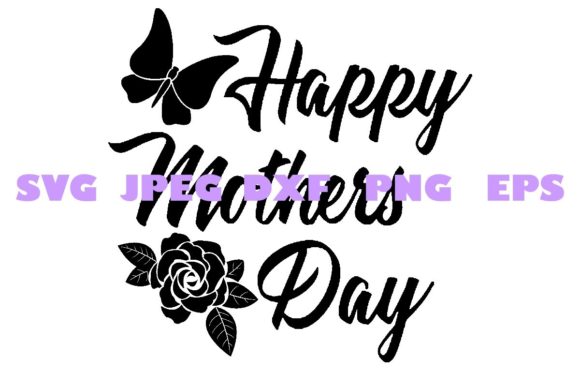
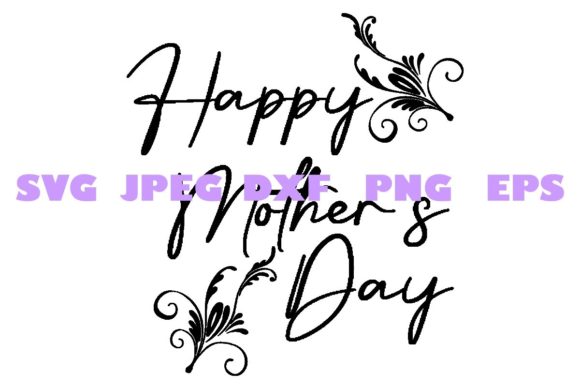
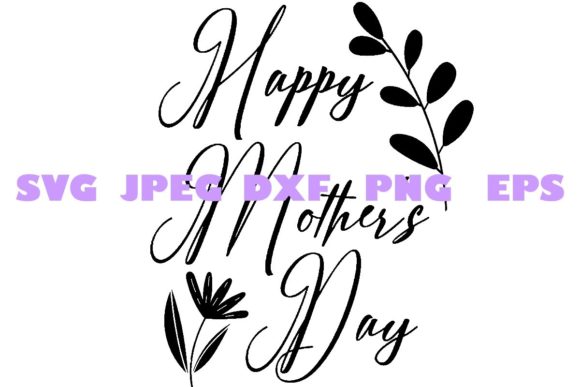
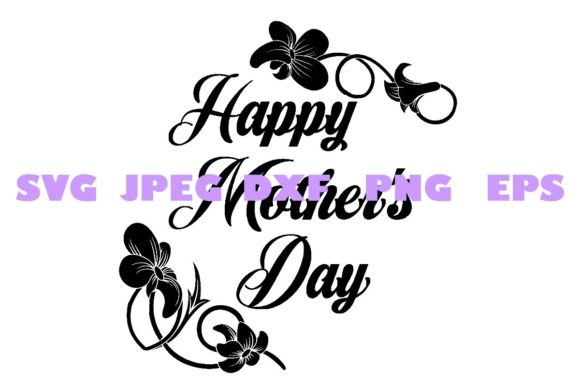
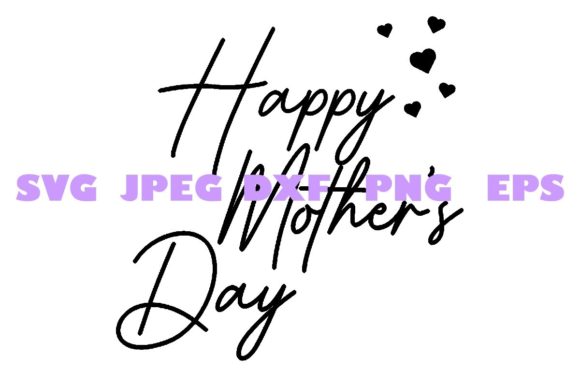
When I opened Elegant Decorative Mothers Day DXF 2, my first thought wasn’t “cute” or “trendy”—it was “calm.” That’s rare in holiday-themed embroidery files. This isn’t a loud, script-heavy banner or a cartoonish floral cluster. It’s a balanced, softly anchored composition—curved lines, subtle symmetry, and intentional negative space—that breathes elegance without sacrificing legibility. As a designer who’s stitched hundreds of Mother’s Day pieces for boutique clients and Etsy shops, I immediately saw where it belongs: on a linen tea towel folded neatly beside a handmade soap set, or centered on the chest of a lightweight cotton apron worn by a small-batch baker. It doesn’t shout—it invites.
Where It Shines in Real Embroidery Projects
I tested Elegant Decorative Mothers Day DXF 2 across three real-world items: a medium-weight canvas tote bag, a 100% cotton baby onesie (size 6–12 months), and a structured twill cap. On the tote, the design held its shape beautifully with standard cutaway stabilizer—no puckering, no distortion. The curves translated cleanly into satin stitch borders, and the lettering remained crisp at 3.2" wide. On the onesie, I used tear-away + light iron-on backing, and the fill stitch settled smoothly over the knit without pulling threads—a win for baby embroidery. Even on the curved crown of the cap, the layout’s moderate width (not too tall, not too narrow) allowed clean hooping without excessive stretching.
This design naturally elevates finished product perception. When stitched on an unbleached pillow cover or a kitchen towel, it reads as intentional—not decorative filler. For Etsy sellers, that matters: customers pay more for pieces that feel curated, not mass-produced. And because the motif avoids clichés (no hearts-over-“MOM” or cartoon storks), it fits seamlessly into modern nursery decor, wedding brunch gifts, or even minimalist boutique branding.
Where to Proceed With Care
- Small hoop sizes: The full layout sits comfortably in a 4"x4" hoop—but trimming any outer flourishes to fit a 3"x3" would sacrifice balance. Don’t force it.
- Textured or stretchy fabric: On slubbed linen or jersey knits, test stitch density first. Dense fill areas may emphasize texture; reduce underlay or add light topping if needed.
- Dark or heavily printed backgrounds: The PNG file has a transparent background, but the design relies on contrast. On charcoal terry cloth or marbled tea towels, preview in grayscale mockups—some delicate inner strokes may soften visually.
- Curved surfaces and layered garments: Avoid placing near seams or darts on fitted sweatshirts. Its gentle flow works best on flat, stable zones—like the left chest of a crewneck or center-front of a relaxed-fit apron.
Design Integrity Meets Commercial Practicality
What makes Elegant Decorative Mothers Day DXF 2 stand out among Crafts category graphics isn’t just aesthetics—it’s functional restraint. There are no micro-details that vanish at 2.5" height, no overlapping satin columns that cause thread breaks, and no tiny interior loops that trap lint or snag during wear. That translates directly to fewer customer complaints, fewer re-stitches, and higher repeat trust—especially for small shop owners selling personalized gifts.
I also appreciate how well it scales for digital use. The SVG and DXF files imported cleanly into my digitizing software for minor adjustments (like tightening kerning for a narrower patch layout), while the high-res PNG worked flawlessly in printable mockups for Etsy listings. For digital product sellers, this is a reliable asset—not just a one-off graphic, but a flexible design element you can adapt across product lines: embroidered patches, printable cards, sublimation overlays, or even laser-cut wood accents.
Practical Notes Every Embroiderer Should Check
- Always run a test stitch on scrap fabric matching your final project’s weight and weave—especially for baby embroidery or custom apparel.
- Review thread color contrast: soft sage or heather gray thread reads beautifully on cream linen, but may disappear on oatmeal canvas. Try black or navy for clarity on light neutrals.
- Confirm hoop size compatibility before digitizing—this design assumes standard 4"x4" capability, but verify your machine’s limits.
- Inspect corners and curves at 200% zoom in your embroidery software—look for jagged vectors or unintended overlaps in the DXF/SVG files.
- Test both light and dark fabric backgrounds using simple black-and-white mockups—this reveals how letterform weight and spacing hold up.
- Use appropriate stabilizer: cutaway for knits and toweling, tear-away for stable wovens, and light fusible for lightweight silks or rayons.
- Double-check licensing terms before selling finished items or bundling the file with other digital products—commercial use isn’t automatic just because it’s labeled “Graphics.”
Final Thought: A Quiet Anchor for Meaningful Makes
Elegant Decorative Mothers Day DXF 2 won’t dominate a festival booth or trend on TikTok—but it will make someone pause, smile, and say, “I want that for my mom.” That’s the quiet power of thoughtful design. It supports the maker’s intention instead of competing with it. Whether you’re stitching a single personalized gift or producing 50 embroidered tote bags for a local boutique launch, this file delivers consistency, clarity, and calm confidence. In a market flooded with busy, overdesigned holiday graphics, its restraint is its strength—and that’s exactly what makes it worth keeping in your embroidery project toolkit.