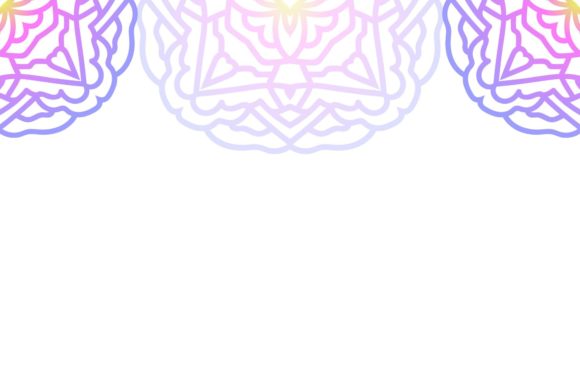
Mandala Abstract Decorative Background
First Impressions: A Calm, Centered Presence—Not Just Another Pattern
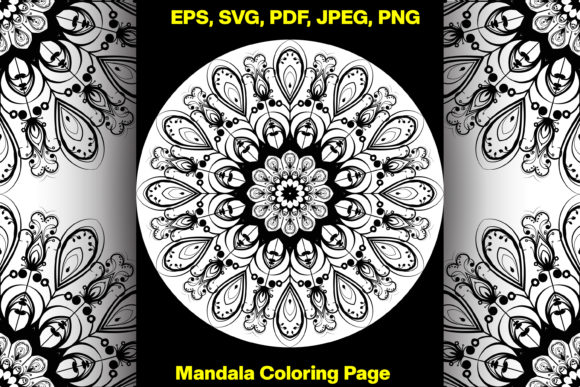
When I opened Mandala Abstract Decorative Background, I didn’t see “filler.” I saw rhythm. The 1920px × 1280px canvas holds a balanced, layered composition—soft radial symmetry with intentional asymmetry in the outer motifs. It’s abstract enough to avoid cultural cliché, yet grounded enough to feel intentional and hand-crafted. No sharp edges screaming for satin stitch dominance; instead, gentle curves, breathing space between elements, and subtle layering that translates beautifully to embroidery—not as a flat graphic, but as something with depth and movement.
Real Project Test: Embroidering a Linen Kitchen Towel for a Boutique Launch
Last week, I prepped this design for a limited-run embroidered linen tea towel—part of a small shop’s spring collection. I used the SVG file (clean vector paths, no pixelation), scaled it down to fit a 5" × 7" hoop comfortably, and converted it to an embroidery file using my standard digitizing workflow. What stood out immediately was how well the negative space held up. On tightly woven linen, the open areas stayed crisp; the fill-stitch zones weren’t overly dense, so the fabric didn’t pucker. Customers noticed it right away—not just the pattern, but how *light* it felt, even with coverage. That’s rare in mandala-based backgrounds. This one doesn’t overwhelm. It invites touch, not just glance.
Where It Shines—and Where You’ll Want to Pause
Mandala Abstract Decorative Background works exceptionally well on:
- Medium-weight apparel: Sweatshirt backs, relaxed-fit tote bags, and cotton aprons—especially when you want elegance without stiffness.
- Baby and nursery items: Pillow covers, swaddle blankets, and wall hangings—its soft geometry feels nurturing, not clinical.
- Holiday and wedding gifts: Think monogrammed napkins or linen pouches—the background adds quiet sophistication behind initials or delicate script.
- Etsy listings and printable mockups: The JPG and PNG files render cleanly across devices, and the AI/EPS/SVG files let you easily recolor or resize for branded product previews.
But—and this matters—it’s not universally forgiving. Use caution with:
- Small hoops under 4”: Fine inner linework may lose definition; simplify or omit outer rings if scaling way down.
- Stretchy or thin fabrics (like jersey or voile): The design’s balance relies on stable fabric tension—always pair with cutaway stabilizer and test first.
- Curved surfaces (caps, beanies): The central motif anchors well, but outer bands can distort. Consider isolating the core circle for headwear.
- Dark or textured fabrics: The subtlety of gradients and fine lines means contrast is key—test thread colors against your base fabric, not just on screen.
What It Does for Your Craft Business—Beyond Aesthetics
This isn’t just a background—it’s a quiet brand amplifier. When customers see Mandala Abstract Decorative Background on a handmade pillow cover or boutique sweatshirt, they register care: careful spacing, thoughtful scale, restrained detail. That perception directly lifts perceived value. For Etsy sellers, it helps listings stand out in search feeds—not because it’s flashy, but because it looks *designed*, not downloaded. For craft fair vendors, it gives consistency across product lines (e.g., matching tea towels + aprons + gift tags) without repeating the same motif identically.
It also builds trust. Unlike overly complex machine embroidery designs that risk skipped stitches or thread breaks, this one digitizes smoothly—few abrupt direction changes, logical stitch order, and generous underlay where needed. That means fewer re-hooping moments, less thread waste, and more reliable finished products. And because it’s delivered in five formats—including editable vectors—you’re not locked in. Adjust color palettes for seasonal collections, isolate sections for applique designs, or extract motifs for custom labels.
Practical Designer Notes Before You Stitch
- Always test on scrap fabric—same weight, same weave, same stabilizer—as your final project.
- Check stitch density in your embroidery software: look for any unintentionally heavy fill zones that could stiffen lightweight textiles.
- Confirm hoop size compatibility: The original canvas is large, but your actual stitched version must suit your machine’s max hoop dimensions.
- Inspect small details at 200% zoom: Are inner circles clean? Do tapered lines end crisply? If not, minor cleanup in your vector editor may be needed before digitizing.
- Mock it up in black and white: This reveals contrast issues invisible on screen—critical for dark fabric or low-thread-count items.
- Use appropriate stabilizer: Medium-weight cutaway for knits, tear-away for stable wovens, and optional topping for napped fabrics like terry cloth.
- Verify licensing: Since this is a digital embroidery file intended for commercial use, confirm whether resale of finished embroidered items or redistribution of the digital files is permitted.
Final Thought: Backgrounds That Earn Their Space
So many “background” designs fade into wallpaper. Mandala Abstract Decorative Background does the opposite—it holds space with intention. It’s the kind of design I reach for when I want the product to feel elevated but never fussy, personal but never precious. Whether you’re stitching a one-off personalized gift or building a cohesive line for your craft business, it supports your voice instead of competing with it. That’s not common. And it’s why, after three real-world projects—on linen, cotton twill, and organic canvas—I keep coming back to it.