Mandala Coloring Page Vol.080 – A Designer’s Embroidery Review
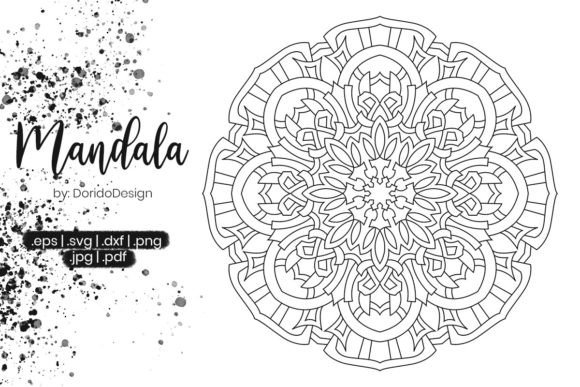
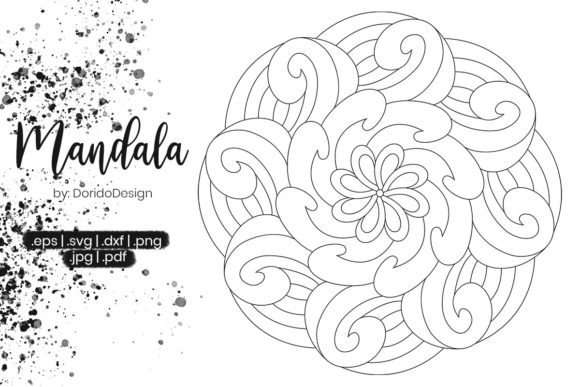
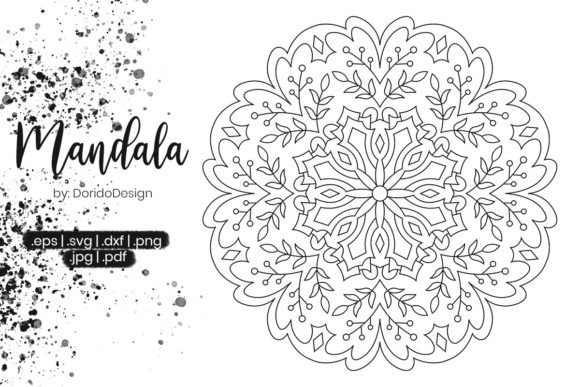
There’s a quiet, almost meditative rhythm that kicks in the moment I open a file like Mandala Coloring Page Vol.080. This isn’t a loud, trendy graphic. It’s a patient, intricate, symmetrical circle of line work that immediately asks, “What could I become?” As someone who’s spent years testing digital designs for embroidery, heat transfer, and handmade product lines, I see a mandala like this and my mind runs straight to a boutique tote bag, a custom sweatshirt, or a keepsake pillow cover. The design feels personal, intentional, and deeply versatile—the kind of asset that can make a small shop feel like a curated brand.
When a Mandala Meets an Embroidery Machine
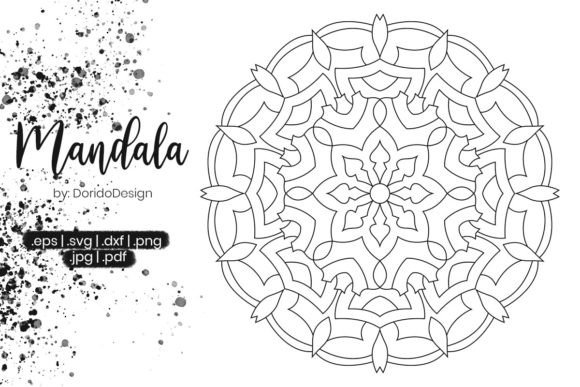
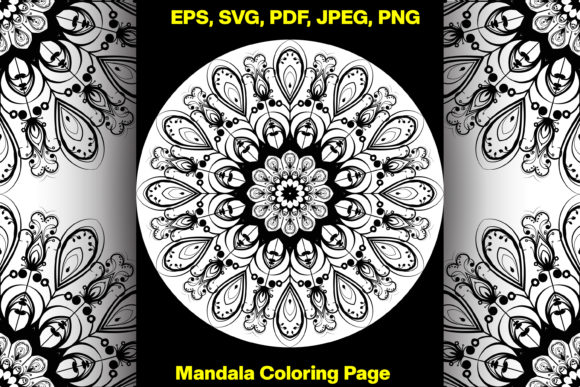
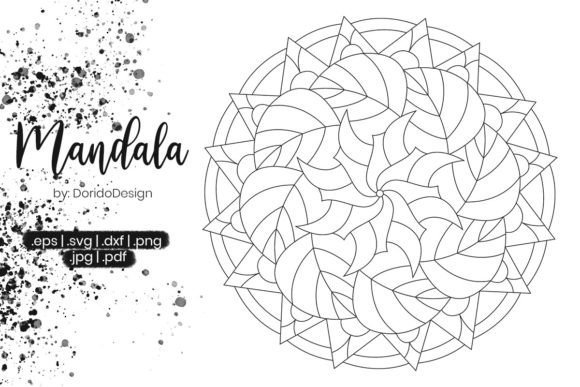
First, a reality check every maker needs to hear: Mandala Coloring Page Vol.080 is a graphic design, not a ready-to-stitch embroidery file. That’s not a flaw—it’s a creative invitation. The crisp, high-contrast line art gives you a nearly perfect blueprint for digitizing. I’ve turned similar coloring pages into satin stitch outlines, fill stitch shadows, and even delicate running stitch accents. The balance of dense petal clusters and graceful negative space here is a digitizer’s dream. You can control exactly how much texture you want: a fine, lightweight line for a baby onesie, or a bold, chunky fill stitch for a denim jacket back panel.
What I appreciate most about this mandala is its integrity. It’s not chaotic. The rings unfold logically, with repeating motifs that make stitch planning straightforward. You won’t find yourself wrestling with impossibly tiny gaps that turn into thread nests. Still, the central core is intricate. If you’re planning to embroider this on a small hoop—say 4×4 inches—you’ll want to simplify the very center or accept that those micro-details may merge into a solid shape. That’s not a design problem; it’s a textile reality. I always recommend testing on scrap cotton first, especially with radial designs, to see how the stitches settle.
A Real-World Test: Embroidering a Boutique Tote Bag
Let’s walk through a scenario I’m considering for a client’s upcoming bridal party gifts. She wants a set of heavy canvas tote bags, each with a delicate, bohemian monogram in the center surrounded by a mandala. Mandala Coloring Page Vol.080 is perfect for this because its circular symmetry frames a center point naturally. I visualized the design in a soft sage green thread on a natural cotton tote, paired with a single initial in a slightly darker shade. The stitch-out would be mostly a medium-width satin stitch for the main lines, with a lighter fill for the inner petals.
Before committing to the final product, I’d test a few things. First, stitch density: too tight on a canvas tote and the fabric will pucker, even with a good cutaway stabilizer. I’d reduce density by about 15% from the default digitizing settings. Second, thread color contrast: on undyed cotton, the sage green will read as soft and organic, but on a black canvas, I’d need to brighten the thread or the design might vanish. Third, the corner curves: the outer edge of the mandala has scalloped petal tips that, if too small, could lose definition. I’d likely enlarge the design to a 7-inch diameter to keep those details crisp.
This is how I approach every handmade product. The design itself is beautiful, but the real magic is in the translation from screen to stitch. Mandala Coloring Page Vol.080 gives you a solid foundation; the rest is your craft.
Where This Mandala Shines in Handmade Products
Over the years, I’ve learned that certain motifs just feel right on specific products. A mandala carries a sense of mindfulness, artistry, and handmade charm. Here’s where I’d confidently use this design:
- Custom sweatshirts and hoodies: Embroidered on the chest or as a large back piece, the mandala adds a boutique, upscale feel. I’ve seen similar designs sell out quickly on Etsy in the “boho sweatshirt” category.
- Linen pillow covers: Stitched in a single neutral thread, this becomes a textural, tone-on-tone accent that looks high-end and serene.
- Canvas tote bags: Perfect for bridal party gifts, farmer’s market totes, or personalized teacher gifts.
- Aprons: A mandala on the bib pocket of a linen apron elevates a kitchen staple into a small-batch artisan product.
- Baby blankets and nursery decor: Soft, simplified version in pastel threads on minky or cotton gauze; the circular shape feels nurturing and gentle.
- Embroidered patches: Digitize the design with a merrowed edge, and you have a sew-on patch for denim jackets, hats, or backpacks.
- Tea towels and kitchen textiles: A single-color mandala on a flour sack towel is a classic craft fair bestseller.
I’d be careful with very stretchy fabrics like ribbed knit shirts or thin performance tees. The dense stitching needed for a mandala can cause tunneling if you don’t use the right backing and topping. I’d also avoid placing this design on curved cap seams or heavily textured fabrics where the fine lines might get distorted. If you’re selling finished items, remember that customers will wash these products. Always test wash your sample to see how the thread holds up, especially on dark fabrics where lint can cling to the stitches.
The Art of Choosing Thread Colors for a Mandala
One of the quiet joys of working with Mandala Coloring Page Vol.080 is the color exploration. Because the original is a black-and-white line drawing, it’s a blank canvas. For a minimalist, modern look, I’ll often stick to a single thread color—maybe a muted terracotta, dusty blue, or warm ivory. That creates a tone-on-tone embossed effect that feels incredibly refined. For a more vibrant, bohemian product, I’ll digitize the mandala in concentric rings of color: an ombré fade from mustard to rust, or a gradient of teal to navy.
When I’m planning a product for a small shop or Etsy listing, I always think about the buyer’s emotional response. A monochrome mandala feels calm and sophisticated; a multicolor version feels joyful and artisanal. Mandala Coloring Page Vol.080 handles both beautifully because its structure is clear and the line weights are consistent. I’ve printed a black-and-white mockup of the design on paper, laid it over a photo of a finished sweatshirt, and instantly knew whether the color palette would connect with my target audience. That simple step has saved me hours of stitching.
From Digital Page to Branded Merchandise
As a designer, I’m always thinking about the full product lifecycle. Mandala Coloring Page Vol.080 doesn’t just work as an embroidery design; it’s a valuable design asset for your entire branding. I’ve used similar graphics for printable mockups, hang tags, sticker sheets, and even as a subtle watermark pattern on a website. If you’re an Etsy seller or a craft business owner, you can use the same mandala across your product line—embroidered on a tote, printed on a thank-you card, and featured in your logo—to create a cohesive, unmistakable brand identity.
Consistency builds customer trust. A buyer who receives a beautifully embroidered pillow cover with a matching mandala sticker tucked inside the packaging is far more likely to return and recommend your shop. That’s the kind of detail that separates a hobbyist from a serious handmade business. Mandala Coloring Page Vol.080 gives you that thread of continuity, no pun intended.
Stitching Considerations Every Maker Should Know
Before you load this design onto your machine, let’s talk practical prep. I keep a mental checklist for every new mandala project, and it goes something like this:
- Test on scrap fabric: Always. I use a similar weight and weave to the final product. Watch for puckering, thread breaks, or registration issues.
- Check thread color contrast: What looks crisp on a screen may disappear on a dark fabric or blend too much on a light one. I test three thread shades on a fabric swatch before committing.
- Review stitch density: Mandalas with many small segments can become too dense if digitized at default settings. I reduce the density slightly and increase the pull compensation to keep the design flat.
- Confirm hoop size: The design’s diameter matters. I always measure the finished design and confirm it fits comfortably in the hoop with at least half an inch of clearance on all sides.
- Inspect small details: The central elements of Mandala Coloring Page Vol.080 are delicate. If they’re under 2mm, I’ll simplify them or switch to a finer thread and needle.
- Test in black and white mockups: I print the design at actual size and place it on the product to evaluate scale and placement. This step costs nothing but prevents costly mistakes.
- Use proper stabilizer: For non-stretchy wovens, a medium-weight cutaway is my go-to. For knits, I add a water-soluble topping to keep the stitches from sinking in.
- Consider the final product use: A pillow cover gets less wear than a tote bag. I adjust the stitch type and thread accordingly—polyester thread for durability, rayon for sheen on display items.
These aren’t just abstract tips; they’re the difference between a product that looks amateur and one that feels intentionally crafted. Mandala Coloring Page Vol.080 is a beautiful design, but it’s your process that will make it a beautiful finished piece.
Licensing, Usage, and Selling Finished Items
I can’t wrap up a review like this without a gentle reminder about licensing. The product description for Mandala Coloring Page Vol.080 mentions it can be used for scrapbooks, greeting cards, stickers, and invitations, but it’s silent on commercial embroidery and finished product sales. I always recommend reaching out to the designer or checking the full license terms before you sell anything with this mandala on it. This is especially critical if you plan to sell digital embroidery files derived from this graphic, or if you’re producing physical goods at scale. Most creators are happy to clarify, and it protects your business in the long run.
For personal projects, gifts, and one-off client work, you’re likely in the clear, but when that Etsy order volume starts climbing, you’ll want the peace of mind that comes with a confirmed commercial license. I’ve learned this the hard way, and it’s a conversation every small shop owner should have early.
Final Thoughts from the Embroidery Table
I’ve spent a lot of time with Mandala Coloring Page Vol.080 now—on screen, in mockups, and in my mind’s stitch-out. It’s a genuinely useful design for anyone who wants to create products that feel meaningful, handcrafted, and visually grounded. The mandala trend isn’t going anywhere, but what makes this one stand out is its balance of detail and clarity. It invites you to slow down, digitize with care, and produce something that looks like it came from a small atelier, not a mass production line.
If you’re a craft business owner, an Etsy seller, or a maker who loves thoughtful, versatile design assets, Mandala Coloring Page Vol.080 deserves a spot in your creative library. How you bring it to life—through thread, fabric, and a little patience—will be the real work of art.