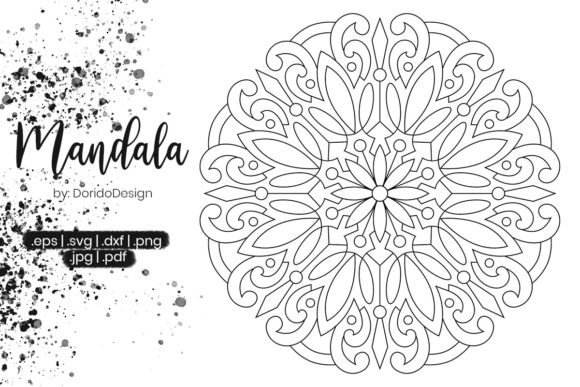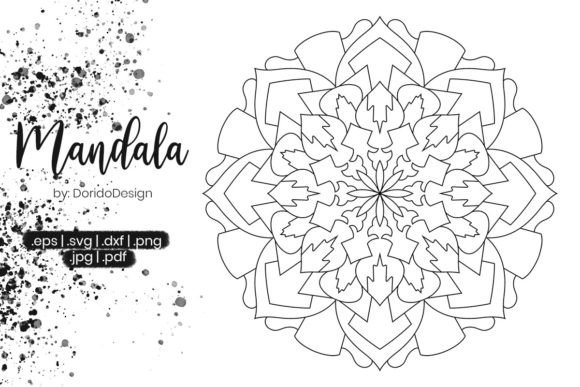
Mandala Coloring Page Vol.28: Graphics for Branding & Coloring Pages Amp
As a brand designer who’s developed visual identities for over 40 local businesses—from artisanal candle studios in Portland to organic tea boutiques in Asheville—I recently evaluated Mandala Coloring Page Vol.28 for a real-world project: rebranding a women-owned herbal skincare line launching its first line of seasonal bath salts. My goal wasn’t just decoration—it was strategic visual alignment. Here’s what stood out.
A Handmade, Harmonious First Impression
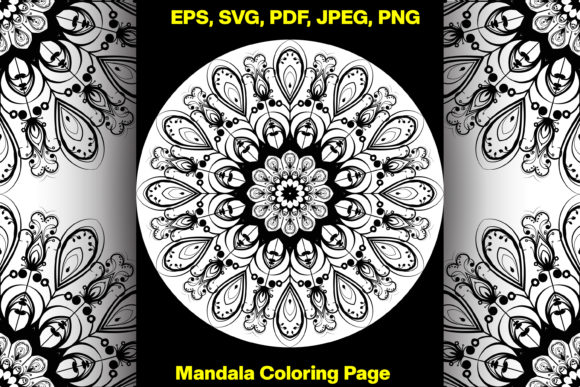
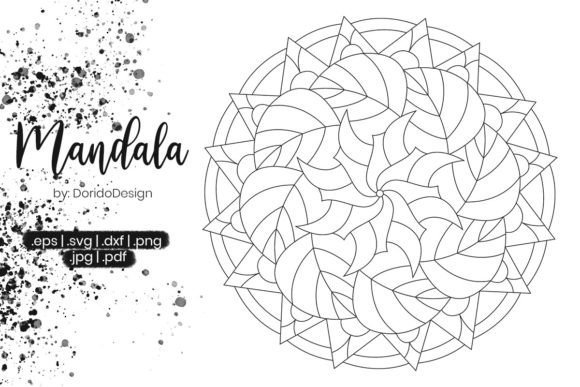
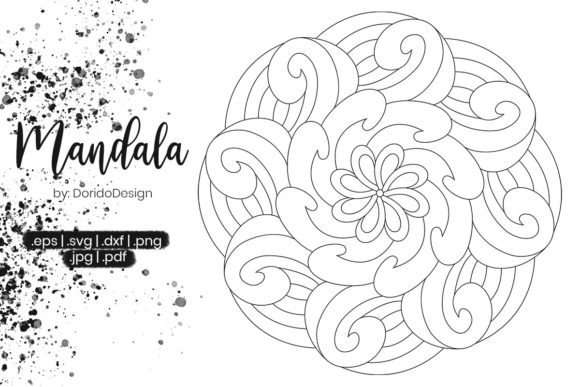
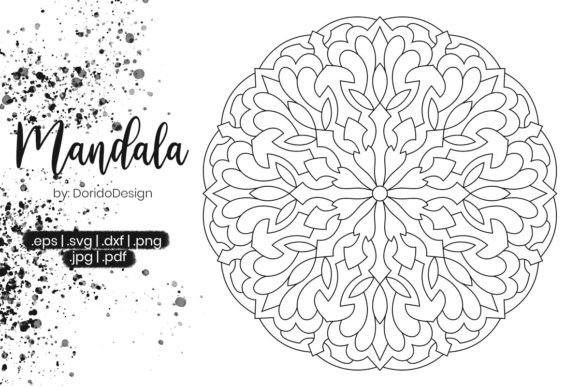
This Mandala design opens with balanced symmetry, soft linework, and intentional negative space—no aggressive density or visual noise. It reads as calm but intentional, suggesting mindfulness, craftsmanship, and quiet confidence. For local businesses, that translates directly to trust: a florist can use it to signal care and detail; a bakery might layer it subtly behind hand-lettered seasonal menus; a handmade soap brand gains instant cohesion between label, hang tag, and Instagram story. It feels organic yet refined, never childish or overly ornate—ideal for brands leaning into wellness, slow living, or heritage craft.
Where It Strengthens Real Small Business Branding
Mandala Coloring Page Vol.28 isn’t just printable clipart—it’s a flexible graphic design asset that supports consistency across touchpoints:
- Packaging design: As a subtle border on kraft paper labels, or scaled down as a foil-stamped motif on glass apothecary jars
- Product label: Works beautifully as a corner accent beside ingredient lists—adds visual rhythm without competing with regulatory text
- Thank-you cards & hang tags: Printed on seeded paper or linen stock, it reinforces brand warmth and intentionality
- Social media graphics: Used as a frame for product mockups or layered softly behind short-form video captions—enhances aesthetic continuity
- Seasonal campaign visuals: Paired with autumnal palettes for fall launch banners, or softened with mint and cream for spring collections
- Printable design: Included as a branded “color-your-own” insert inside subscription boxes—drives engagement and extends shelf life of physical marketing
When applied thoughtfully, this asset strengthens visual hierarchy, improves shelf appeal in boutique retail settings, and deepens emotional connection—especially for customers seeking authenticity over algorithm-driven polish.
Where It Fits Best (and Where to Pause)
This Mandala design shines brightest where decorative intention supports—not overshadows—core messaging. It excels in:
- Hero graphics for website banners and email headers
- Accent elements on product mockups (e.g., wrapping around candle jar photography)
- Boutique visuals: window decals, receipt tape patterns, or custom tissue paper prints
- Seasonal packaging: stamped onto gift boxes or laser-cut into wooden tags
- Social media campaign graphics—especially Reels thumbnails and Story highlights
Use with caution in contexts where clarity or minimalism is non-negotiable:
- Formal corporate branding (e.g., law firms or financial advisors)
- Very small labels (<5mm height) where fine linework may blur or disappear in print
- Crowded packaging layouts with dense ingredient lists or certifications
- Backgrounds with low contrast (e.g., light gray on white)—test grayscale output first
- Luxury minimalist brands relying on stark typography and generous whitespace
Practical Designer Notes for Local Business Use
Before committing Mandala Coloring Page Vol.28 to your brand identity or packaging design, run these checks:
- Test on real packaging mockups—not just digital previews. Print at actual size on your chosen substrate (kraft, vellum, matte sticker paper) to assess line fidelity and scale.
- Verify black-and-white usage. Does the pattern retain legibility when converted to monochrome? Essential for cost-effective printing and accessibility.
- Preview alongside your brand fonts. Try it beside serif (e.g., Playfair Display), sans serif (e.g., Inter), script (e.g., Pacifico), and handwritten styles—does it complement or clash?
- Confirm commercial licensing. This is critical for small business branding, client work, or physical product sales. Ensure your license covers packaging, labels, and promotional material—not just personal use.
- Inspect file types. If you received SVG or vector files, test editability in Illustrator—can you adjust stroke weight or isolate petals for custom color fills? PNG transparency must be clean for overlay work.
- Compare with competitor packaging. Does it differentiate your brand—or blend into an oversaturated “wellness mandala” trend?
- Check print quality at 300 DPI. Some marketplace assets degrade when scaled beyond original dimensions—verify sharpness at final output size.
Why This Matters for Local Business Owners
In a crowded creative marketplace, Mandala Coloring Page Vol.28 stands out not because it’s flashy—but because it’s usable. It bridges the gap between editorial design and commercial design: functional enough for ingredient labels, expressive enough for Instagram stories, elegant enough for wedding invitation suites. For a food business adding custom-printed napkins, a children’s product brand designing activity sheets, or a home decor shop creating limited-edition gift wrap—this asset delivers professional branding without requiring custom illustration budgets.
It supports small business branding by making consistency achievable: same motif on your sticker seal, your Canva template for weekly newsletters, your printable design for in-store workshops, and your social media graphics. That repetition builds recognition. That recognition builds trust. And for local businesses competing with national brands, that trust is the most valuable design asset of all.