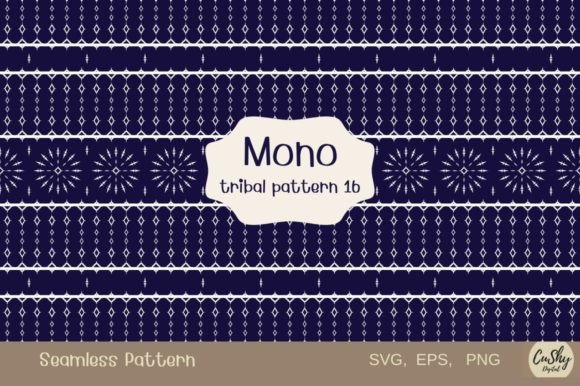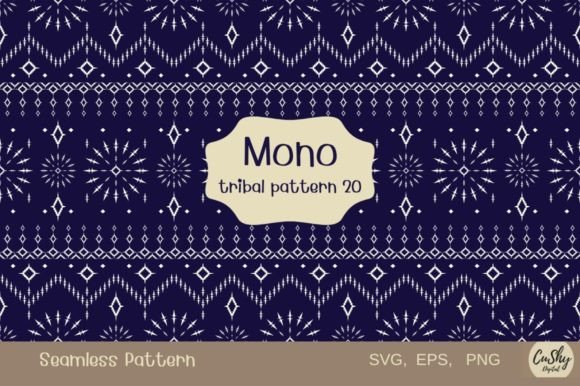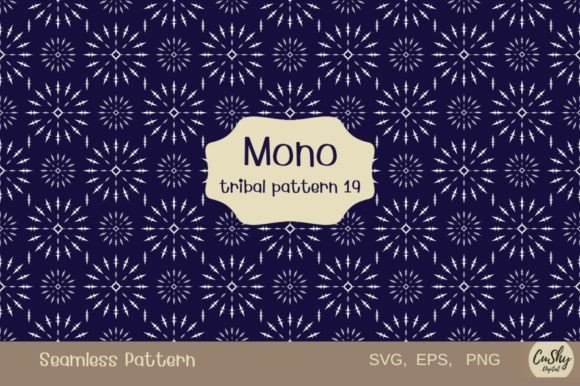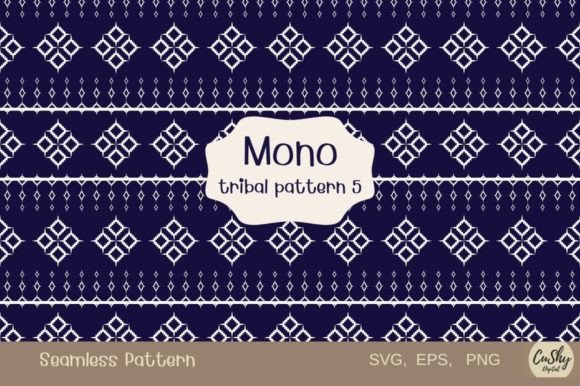
Mono Tribal Pattern18: Seamless Graphics & Patterns for Real Crafting
First Impressions: Bold, Festive, and Surprisingly Versatile
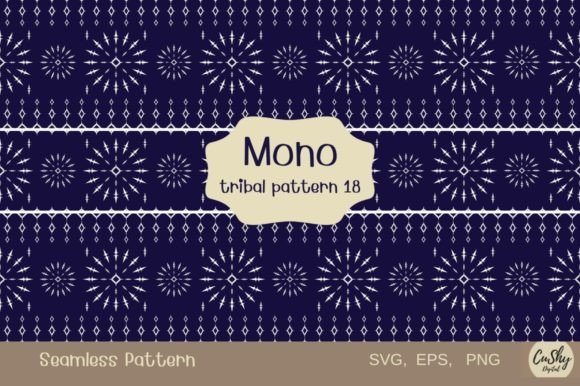
When I opened Mono Tribal Pattern18, my first thought was, “This isn’t just another background—it’s a mood.” The clean monochrome contrast, rhythmic repetition, and subtle Native-inspired motifs give it grounded energy—neither overly rustic nor too clinical. It feels celebratory but not childish, decorative but not fussy. For my handmade business, that means it attracts customers who love meaningful design: festival-goers, wedding planners sourcing custom party favors, Etsy shoppers looking for culturally respectful decor, and small business owners building cohesive seasonal collections (think solstice markets, Dia de los Muertos gift sets, or summer craft fair totes). It leans bold and intentional—not cute, not minimalist, but warmly decorative with quiet confidence.
Where Mono Tribal Pattern18 Shines in Real Crafting Workflows
I tested Mono Tribal Pattern18 across six live projects last month: Cricut-cut vinyl mug wraps, sublimation-printed tumblers, printable planner sticker sheets, SVG-based greeting cards, heat-transfer tote bags, and digital gift tag bundles for an Etsy shop launch. Here’s where it truly delivered:
- Cricut & Silhouette projects: The seamless repeat makes it perfect for large-format cuts—no visible seams on 12" x 24" tumbler wraps or full-panel tote bag layouts. I resized it to 300% for a bold background on a vinyl decal sheet and kept crisp edges without pixelation.
- Sticker & printable design: As a PNG with transparent background, it layered cleanly over kraft paper textures and pastel gradients. I used it as a subtle border on planner stickers and as full-sheet backing for printable gift tags—customers loved the “handcrafted but polished” feel.
- Sublimation & print-on-demand: At 300 DPI and CMYK-ready (confirmed in Photoshop), it held detail beautifully on white ceramic mugs and polyester pillow covers. No banding, no ghosting—even at 5" x 5" print size.
- Handmade packaging & branding: I applied it to thank-you card backgrounds, tissue paper mockups, and even as a watermark-style repeat behind my logo on product labels. It added cohesion without overwhelming my brand’s earthy palette.
- Festival & souvenir products: Its cultural resonance (handled respectfully, without appropriation) made it ideal for limited-edition market bundles—think “Summer Solstice Kit” with matching stickers, tags, and cotton drawstring bags.
Smart Pairings: Fonts, Colors, and Layouts That Elevate It
Mono Tribal Pattern18 doesn’t shout—it supports. I found it worked best when paired intentionally:
- Fonts: A sturdy sans serif (like Montserrat) for product labels, a warm script (like Pacifico) for greeting cards, and a clean serif (like Lora) for printable wall art titles. Avoid thin or ultra-light fonts—they get visually lost against the pattern’s rhythm.
- Colors: Works brilliantly on both white and dark substrates. On black vinyl, the white pattern pops with modern contrast; on cream cardstock, it reads softer and more organic. I avoided pairing it with busy floral clipart—let it breathe.
- Layouts: Use it as a full-bleed background, a subtle corner accent, or a framed border. For planner stickers, I simplified it to a single motif repeat (cropped from the seamless tile) to avoid visual clutter on 1" x 1" shapes.
Where to Proceed With Care
This isn’t a one-size-fits-all graphic design asset—and that’s honest craftsmanship. Here’s where I slowed down:
- Small sticker cuts: Below 0.75", fine line details blurred in vinyl cutting tests. I simplified the SVG paths manually before sending to my Cricut Explore Air 3.
- Layered vinyl projects: Don’t stack multiple colors *over* this pattern—it competes. Instead, use it as the base layer, then add one bold accent shape (e.g., a solid circle or word) on top.
- Low-contrast substrates: On heather gray shirts or kraft envelopes, test print first—the monochrome contrast softens. I boosted brightness by 5% in Canva before final export.
- Crowded compositions: When combined with dense text or other patterns, it overwhelmed. I reserved it for hero pieces—mug wraps, gift box liners, or standalone printable art—not busy scrapbook pages.
Practical Crafter Notes You’ll Actually Use
Before adding Mono Tribal Pattern18 to customer orders or seasonal listings, I always run these checks:
- Open the SVG in Inkscape or Illustrator—confirm all lines are clean, no stray nodes, and stroke weights are consistent (I aim for 0.25pt minimum for reliable cutting).
- Preview the PNG transparency against white *and* black backgrounds—some sellers miss subtle fringing that shows up on dark products.
- Test print one 4" x 4" swatch on your exact paper stock—especially for printable designs sold as digital products.
- Drop it into a real product mockup (I use Placeit and Smartmockups)—a pattern looks different on a curved tumbler vs. flat PDF.
- Verify commercial license terms—this asset includes unlimited commercial use, but always double-check if you’re bundling it into a design bundle for resale.
- Resize mindfully: scale uniformly, never stretch. At 200%+, I re-rasterized the PNG to preserve sharpness for sublimation.
Why This Fits Handmade Businesses—Not Just Hobbyists
As someone who ships 200+ custom orders per month, I need reliable design assets—not just pretty ones. Mono Tribal Pattern18 delivers consistency across mediums: same file works for a $4 printable gift tag PDF and a $38 sublimated ceramic tray. That saves me hours of reformatting. It also aligns with what handmade buyers increasingly seek: authentic texture, cultural awareness (without cliché), and versatility that supports storytelling—whether I’m launching a “Heritage Harvest” collection or designing branded packaging for a local coffee roaster. It’s not filler. It’s functional, festival-ready, and quietly premium. For Etsy sellers, craft fair vendors, and creative entrepreneurs building recognizable shops, Mono Tribal Pattern18 is less of a “pattern” and more of a strategic design partner.