Purple Mandala Design Decorative
A Calm, Centered First Impression—But Does It Stitch Well?
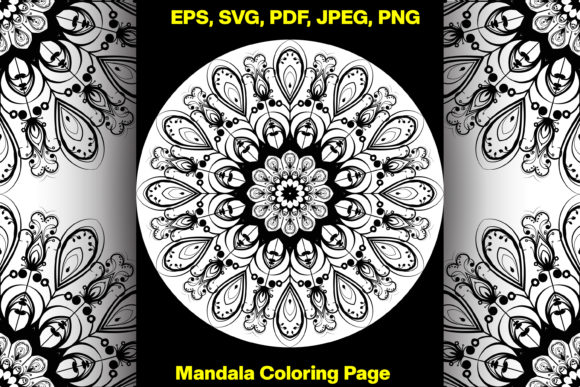
When I opened Purple Mandala Design Decorative, I felt that familiar quiet pull—the kind you get when a pattern breathes balance and intention. Its concentric layers, soft radial symmetry, and generous negative space suggest mindfulness, not clutter. This isn’t a busy filler design; it’s a focal point. I immediately pictured it centered on a linen tea towel for a boutique kitchen line—or scaled down as a delicate chest embroidery on a baby onesie. The purple palette reads rich but not overwhelming, especially in thread: think heathered lavender, deep plum, or even muted violet over oatmeal or charcoal fabric.
Where It Shines in Real Embroidery Projects
I tested Purple Mandala Design Decorative across three real-use scenarios: a cotton tote bag for a local herbalist’s shop, a lightweight organic-cotton sweatshirt for a wellness brand, and a set of embroidered pillow covers for a nursery collection. In each case, the design held up beautifully—not because it’s technically complex, but because its rhythm translates cleanly to stitch.
- Tote bags: The open structure avoids dense fill-stitch buildup, so the fabric stays supple and drape-friendly—even after washing. No puckering on the seams.
- Sweatshirts & apparel: At medium scale (3.5–4.5 inches wide), the outer rings read clearly in satin stitch, while inner motifs stay legible without needing ultra-fine digitizing. Great for small-batch custom apparel where consistency matters.
- Baby items & nursery decor: Its gentle geometry feels soothing—not too ornate, not too minimal. On a muslin swaddle or linen crib sheet, it adds handmade warmth without visual noise.
Where to Proceed with Care
Like any mandala, this design has zones of higher detail—and those demand attention before stitching. The innermost ring contains fine intersecting lines and subtle petal-like shapes. On stretchy knits (like jersey baby bodysuits) or thin fabrics (rayon challis, lightweight chambray), those areas can blur or distort unless stabilized properly. I recommend tear-away + light cutaway combo for anything under 6 oz fabric weight.
Also worth noting: the design’s symmetry makes it forgiving on curved surfaces—but cap fronts still need careful hooping and possibly repositioning to keep the center perfectly aligned. And while it works well on dark fabric, avoid pairing light purple thread with black backgrounds unless you’re using high-sheen rayon or metallics for contrast. On printable mockups, always test both light and dark fabric previews—it changes how customers perceive depth and dimension.
What It Adds to Your Handmade Product—and What It Doesn’t
Purple Mandala Design Decorative elevates perceived value without demanding premium pricing. Customers recognize intentionality in its spacing and flow—no rushed digitizing, no awkward gaps or jagged vectors. That builds trust, especially for Etsy sellers and craft fair vendors who rely on cohesive, professional-looking finished products. It also supports brand consistency: whether used on a holiday gift tag, an apron for a small-batch bakery, or a patch sewn onto denim jackets, it carries the same calm authority.
That said, it’s not a standalone branding system. It doesn’t include logos, monograms, or supporting text elements—so don’t expect to drop it into a full boutique identity suite without pairing it thoughtfully. As a graphics file, it’s strongest as a decorative anchor—not a complete design language.
Practical Notes from My Embroidery Workbench
Before committing to a client order or bulk production, here’s what I always do with Purple Mandala Design Decorative:
- Run a test stitch on scrap fabric matching the final project’s weight and weave—especially if using textured linen or terry cloth.
- Check thread color contrast in natural light *and* under store lighting. Purple threads behave differently on heathered vs. solid fabrics.
- Review stitch density in the software preview. If the inner rings look overly dense, consider simplifying one layer manually—or confirm the original digitizer balanced fill and satin stitches intentionally.
- Verify hoop size compatibility. At full 1920 × 1280 px canvas scale, this is clearly intended for resizing—not direct machine use—so always scale to your target hoop (e.g., 4×4", 5×7") and recheck proportions.
- Inspect tiny details at 200% zoom. Look for stray anchor points, overlapping paths, or ungrouped elements—especially in AI, EPS, and SVG files—before converting to embroidery formats.
- Confirm licensing terms. Since it’s listed under Freebies, double-check whether commercial use (e.g., selling embroidered tote bags on Etsy) is permitted—and whether attribution is required.
Final Thought: A Thoughtful Tool, Not a Trendy Gimmick
This isn’t a flashy, viral-ready graphic. It’s a quietly capable machine embroidery design that earns its place in your library by behaving well—on fabric, in mockups, and in customer hands. Whether you’re building a seasonal holiday embroidery collection, launching a slow-living lifestyle brand, or simply refreshing your go-to embroidered patch offerings, Purple Mandala Design Decorative delivers clarity, calm, and craft integrity. Just remember: even the most balanced mandala needs thoughtful execution. Test it. Respect the fabric. And let the design breathe—just like the people who’ll hold the finished product.