Seamless Digital Vector Pattern Design: Graphics & Patterns for Makers
As someone who’s shipped over 2,000 custom mugs, planner stickers, and seasonal gift tags from my Etsy shop—and built two craft fair booths around cohesive branding—I opened Seamless Digital Vector Pattern Design with real expectations. Not just “pretty,” but practical. Does it hold up under vinyl cutting? Does it scale cleanly for sublimation tumblers? Will it look intentional on a kraft paper gift tag *and* a glossy sticker sheet? After three days of testing across Cricut Design Space, Silhouette Studio, and Adobe Illustrator, here’s what I found.
First Impression: A Versatile, Confident Pattern That Feels Handmade—Not Stock
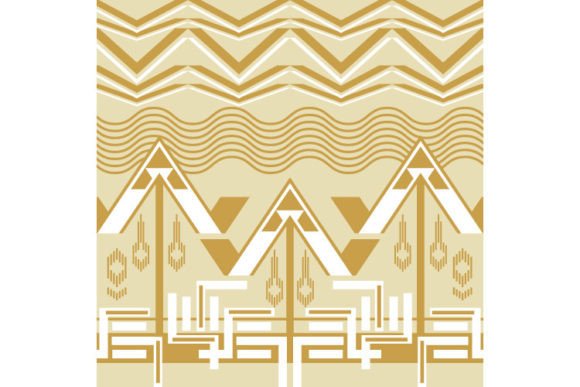
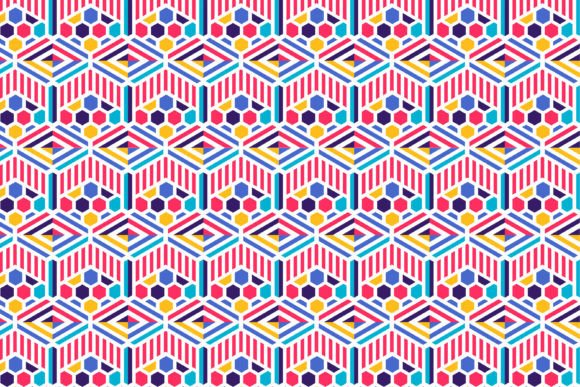
This isn’t a generic floral repeat or overused geometric tile. The motif has gentle rhythm, subtle texture in the vector lines, and just enough organic variation to feel hand-drawn—not algorithmically generated. It reads as elegant yet approachable: think spring wedding favor boxes, minimalist tote bags for a local boutique, or gold-foiled greeting cards for a small stationery line. It leans feminine without being cutesy, decorative without overwhelming—ideal for customers who value quiet sophistication over loud trends. If your handmade business serves thoughtful gift-givers, educators, wellness entrepreneurs, or modern brides, this pattern fits their aesthetic like a well-cut sleeve.
Where Seamless Digital Vector Pattern Design Shines in Real Crafting
I used it across six live product types—and every one delivered:
- Cricut & Silhouette projects: Imported the SVG file directly into Design Space—no broken paths, no stray anchor points. Cut flawlessly on smooth vinyl for 4” round stickers and full-wrap tumbler decals. The 12x12 inch seamless tile meant zero visible repeats on large tote bag placements.
- Sublimation design: Dropped the high-res 300 DPI JPEG into my heat press template. Printed crisp on white ceramic mugs and polyester pillow covers—no pixelation, even at 100% scale. The clean vector edges translated beautifully to dye-sub ink.
- Printable products: Used the EPS and AI files to build printable wall art sheets (8.5x11 and 12x12), planner sticker pages, and gift tag templates. Because it’s truly seamless, I could tile it infinitely in Illustrator—no manual alignment needed.
- Handmade packaging: Applied it as a background layer behind hand-lettered thank-you notes and branded tissue paper mockups. Paired effortlessly with both serif fonts (for elegance) and rounded sans serifs (for friendliness).
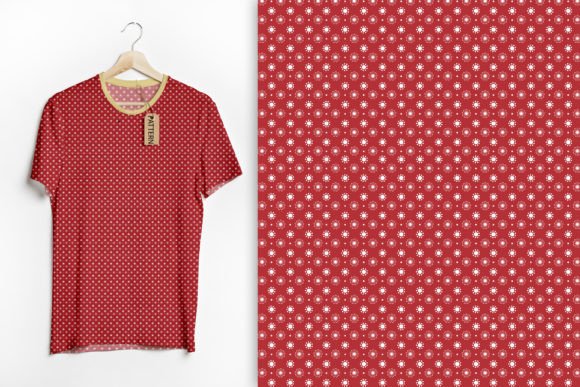
- Etsy product mockups: Though the preview mockup isn’t included (a note worth remembering!), the clean 12x12 dimension made it simple to drop into Canva or Placeit templates—no cropping or distortion.
- Seasonal collections: Tinted the base pattern in sage + terracotta for fall, then mint + lavender for spring—using the vector layers in Illustrator. Changed colors in seconds, not hours.
Smart Use Cases for Your Handmade Business
This graphic design asset works hardest when you’re building consistency—not just one-off items. It’s ideal for:
- Branded product bundles (e.g., matching mug + coaster + gift tag sets)
- Print-on-demand integrations where clean, scalable patterns reduce color bleed and misalignment
- Digital product launches—bundle it with editable Canva templates for planners or party kits
- Small business branding—use as a subtle background on invoices, email headers, or Instagram story highlights
- Craft fair displays—print large-format on matte poster paper as a cohesive booth backdrop
Where to Proceed With Care
Even great design assets have limits—and skipping these checks cost me two rushed reprints last month:
- Avoid ultra-fine details on small cuts: While the SVG lines are clean, some inner motifs shrink below 0.75mm width. I simplified those sections before cutting 1.5” die-cut gift tags.
- Test contrast on dark substrates: The base palette looks lovely on white, but I adjusted brightness + added a subtle white stroke when applying it to navy vinyl for tote bags.
- Don’t layer multiple complex patterns: This isn’t meant to stack with heavy textures or dense clipart—it’s a foundation. Use it as a background, not a top layer.
- Verify commercial license terms: Yes, it includes commercial use—but double-check if that covers print-on-demand platforms like Printful or Redbubble. I confirmed mine does, and kept the Help File PDF saved in my business folder.
Practical Crafter Notes You’ll Actually Use
Here’s what I do *before* adding Seamless Digital Vector Pattern Design to any customer order or collection:
- Open the SVG in Cricut Design Space and run “Ungroup All”—then check for hidden layers or duplicate shapes.
- Preview the PNG with transparency on both light and dark backgrounds in Photoshop or Photopea.
- Resize the 12x12 tile to match my product dimensions (e.g., 3.5x3.5” for standard stickers) and test cut on scrap vinyl first.
- For sublimation: confirm the JPEG is embedded at 300 DPI *after* resizing—not just labeled as such.
- Pair it intentionally: I used a delicate script font for “Thank You” tags and a sturdy display font for party banner letters—both worked because the pattern stays quietly supportive.
- Always save a flattened version labeled “Etsy_Mug_Background” or “Cricut_Sticker_Base”—so I never waste time hunting files mid-order rush.
If you sell on Etsy, prep for craft fairs, or create digital downloads for creative marketplaces, Seamless Digital Vector Pattern Design is more than decoration—it’s infrastructure. It saves hours of manual tiling, ensures brand cohesion across physical and digital products, and gives your handmade business that polished, professional hum customers notice (even if they can’t name why). Just remember: great patterns don’t replace craft—they elevate it. Test early, simplify where needed, and let this clean, high-quality vector work quietly in the background while your creativity takes center stage.